|
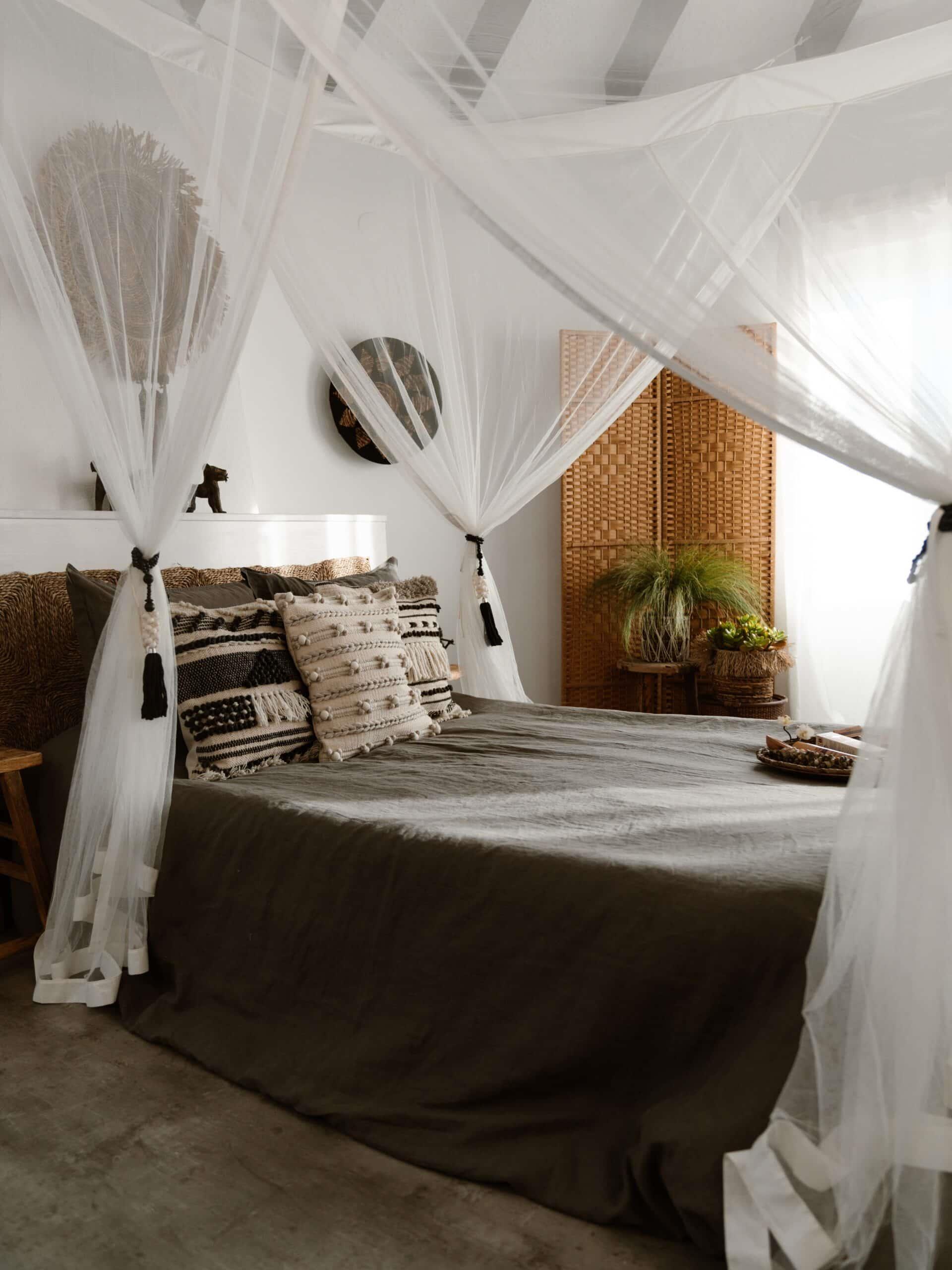
A bedroom should feel like a retreat, not simply a place to leave your belongings at the end of the day. Yet creating that atmosphere rarely requires a complete redesign. Often, the most noticeable difference comes from the way fabrics soften a room, light moves across its surfaces, and practical details quietly support your comfort. A beautifully made mosquito net can bring these elements together. At nusarah.com, the idea of functional protection is paired with considered design, taking inspiration from Bali and traditional craftsmanship. Why the Atmosphere Around Your Bed MattersYour bed is usually the visual centre of the bedroom, even in a generously furnished room. Its shape, height and surrounding textiles influence how the entire room feels. Hard edges and bare walls can look crisp and modern, but they may also make a sleeping space feel exposed. Introducing a light fabric canopy creates a gentler outline without crowding the room with extra furniture. There is something especially inviting about sheer fabric hanging around a bed. It catches daylight, adds movement and gives the sleeping area a sense of separation. In minimalist rooms, the effect is architectural; elsewhere, romantic and relaxed. The same basic element works in remarkably different settings, with the right proportions. Mosquito Nets Are More Than a Seasonal AccessoryMosquito protection often enters the conversation when warm weather arrives or windows stay open late into the evening. But a well-chosen net has value beyond the summer months. It can remain part of the bedroom’s visual identity throughout the year, introducing softness in winter and an airy feeling when temperatures rise. Of course, appearance is only half the story. Effective insect protection depends on practical details, including the mesh, the way the net closes and whether it extends sufficiently around the mattress. A design that looks elegant but leaves large gaps is unlikely to deliver the experience you want. Conversely, a functional net need not resemble temporary camping equipment. Thoughtful construction allows comfort and aesthetics to coexist. Choosing Between Cotton and PolyesterMaterial has a significant influence on both the appearance and everyday use of a mosquito net. Cotton offers a naturally soft texture and a gentle drape that suits warm neutrals, wooden furniture and tactile bedding. It can look especially appealing in bedrooms that favour organic materials and understated details. However, cotton generally needs more careful handling during cleaning and storage. Polyester creates a different impression. Fine, lightweight mesh often hangs with a cleaner, more structured silhouette and tends to hold its shape well. It can be particularly convenient where a crisp finish and easy handling matter. Neither option is universally better. The right choice depends on the style of the room, the intended location and the amount of maintenance you are comfortable with. Let the Shape Follow the SpaceBefore choosing a canopy, look closely at the architecture above and around the bed. A round mosquito net suspended from a single point can create a flowing, relaxed shape. It may be an attractive solution where ceiling space is limited or where you want a softer focal point. Rectangular designs, meanwhile, frame the bed more deliberately and can bring a balanced, almost tailored look to a larger room. Ceiling height, access around the mattress and the position of doors or windows all deserve attention. A sloping ceiling does not automatically rule out an elegant canopy, although it may require a more flexible approach to attachment points. Measure carefully and make sure the fabric can fall comfortably without becoming trapped beneath furniture or obstructing movement. Bring Natural Textures Into the ConversationA calming bedroom does not have to be colourless. In fact, natural textures often make a restrained palette more interesting. Pair a light net with washed cotton bedding, a woven rug or a wooden bedside table. Add a cushion with a subtle pattern rather than introducing several competing prints. The result is a room that feels collected rather than overly coordinated. This approach also suits the wider philosophy of slow interiors: choosing objects for their usefulness, character and lasting appeal instead of constantly replacing them to follow short-lived trends. Handcrafted details can lend personality to a space, especially when their materials and origins are communicated transparently. A bedroom becomes more meaningful when its contents are selected with intention, not simply assembled for a photograph. Consider the Story Behind the MaterialsStyle and responsible production can reinforce each other, although attractive natural-looking products are not automatically sustainable. It is worth asking who makes an item, how materials are sourced, and how it is packaged. Small-batch production and reusable storage solutions are meaningful considerations, but they should sit alongside honest information about the materials themselves. Nusarah, for example, describes an approach centred on small-scale craftsmanship in Bali, reusable cotton packaging and careful material choices. Its range includes cotton and polyester mosquito nets, with complementary home accessories that share a relaxed, nature-inspired aesthetic. This appeals to people who value cohesive design and thoughtful production. Make the Canopy Part of Your Everyday RoutineEven a beautiful canopy needs to work for ordinary mornings and tired evenings. Check that entering and leaving the bed feels effortless and that the opening can be closed properly when protection is needed. Keep the fabric clear of candles, heaters and anything that might snag it. Regular airing and cleaning according to the care label help maintain its appearance, while a breathable storage bag can protect it between uses. Try the arrangement in different lighting conditions. Morning sun may reveal how softly the fabric filters the view, while a bedside lamp can give the folds extra depth after dark. A few thoughtful adjustments to the placement of a lamp, a cushion or a throw can make the canopy feel integrated into the room rather than added as an afterthought. |